Identifying As Well As Repairing Plumbing Noises In Your House
BookThey are making a number of good pointers about Why Your Water Pipes Are Noisy and How To Shut Them Up overall in the article following next.
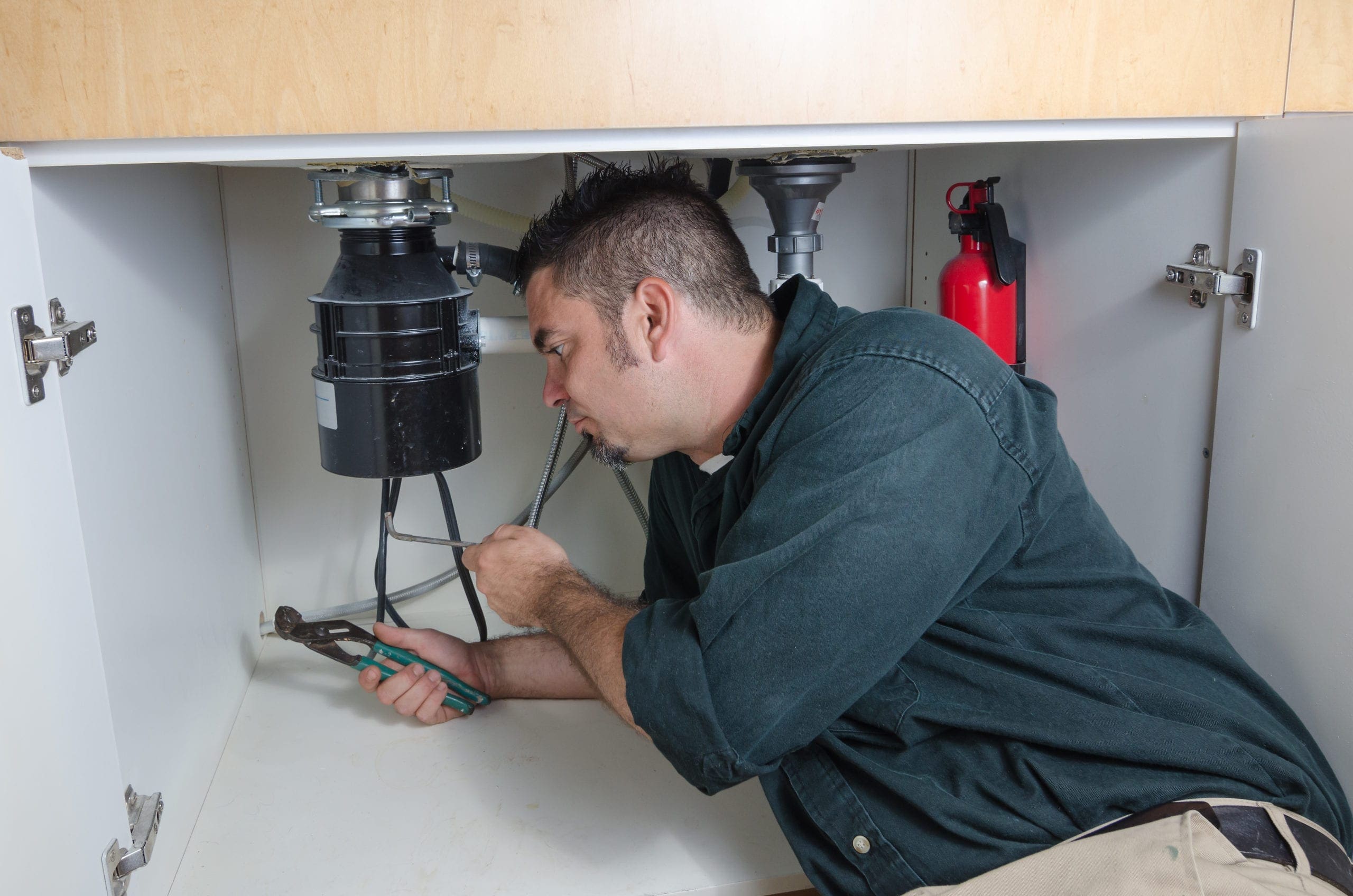
To identify noisy plumbing, it is very important to figure out initial whether the unwanted audios occur on the system's inlet side-in other words, when water is transformed on-or on the drain side. Noises on the inlet side have actually varied causes: excessive water stress, used valve as well as tap parts, improperly connected pumps or various other devices, incorrectly put pipeline fasteners, as well as plumbing runs having way too many tight bends or other limitations. Sounds on the drain side typically originate from inadequate location or, just like some inlet side noise, a layout consisting of limited bends.
Hissing
Hissing noise that occurs when a faucet is opened slightly typically signals extreme water stress. Consult your local water company if you think this issue; it will certainly have the ability to tell you the water pressure in your area as well as can mount a pressurereducing shutoff on the incoming supply of water pipe if needed.
Various Other Inlet Side Noises
Creaking, squeaking, scraping, breaking, and also touching usually are brought on by the development or tightening of pipes, generally copper ones supplying hot water. The sounds happen as the pipes slide against loosened bolts or strike close-by residence framework. You can usually determine the area of the trouble if the pipelines are subjected; simply comply with the noise when the pipelines are making sounds. Probably you will certainly uncover a loosened pipeline wall mount or a location where pipelines exist so near to flooring joists or various other framing pieces that they clatter against them. Attaching foam pipe insulation around the pipelines at the point of call need to treat the trouble. Make certain straps and hangers are secure and provide adequate support. Where possible, pipe fasteners need to be affixed to substantial architectural aspects such as foundation walls instead of to mounting; doing so decreases the transmission of resonances from plumbing to surfaces that can enhance and move them. If affixing bolts to framework is inevitable, wrap pipes with insulation or various other resistant material where they get in touch with bolts, as well as sandwich the ends of brand-new bolts between rubber washers when mounting them.
Remedying plumbing runs that struggle with flow-restricting tight or countless bends is a last hope that ought to be undertaken just after seeking advice from a competent plumbing contractor. However, this circumstance is rather typical in older houses that might not have been constructed with interior plumbing or that have seen a number of remodels, specifically by novices.
Chattering or Shrieking
Intense chattering or shrilling that happens when a shutoff or tap is turned on, which typically goes away when the fitting is opened fully, signals loosened or faulty internal components. The service is to change the valve or tap with a new one.
Pumps and also home appliances such as cleaning devices as well as dishwashers can transfer electric motor noise to pipelines if they are improperly attached. Link such things to plumbing with plastic or rubber hoses-never rigid pipe-to isolate them.
Drain Noise
On the drainpipe side of plumbing, the principal goals are to remove surfaces that can be struck by falling or hurrying water and to protect pipelines to include inescapable sounds.
In brand-new construction, tubs, shower stalls, bathrooms, and also wallmounted sinks and containers should be set on or against resistant underlayments to reduce the transmission of noise via them. Water-saving toilets as well as taps are less loud than standard models; mount them rather than older kinds even if codes in your area still permit making use of older components.
Drainpipes that do not run up and down to the basement or that branch right into straight pipe runs sustained at flooring joists or other framing existing specifically troublesome noise troubles. Such pipelines are large enough to emit significant resonance; they additionally carry considerable quantities of water, that makes the situation even worse. In new construction, specify cast-iron dirt pipelines (the large pipes that drain bathrooms) if you can manage them. Their enormity contains much of the noise made by water going through them. Additionally, stay clear of routing drainpipes in walls shown rooms and also rooms where people gather. Wall surfaces having drains should be soundproofed as was described earlier, utilizing double panels of sound-insulating fiber board and also wallboard. Pipelines themselves can be covered with unique fiberglass insulation created the objective; such pipelines have a resistant plastic skin (sometimes containing lead). Outcomes are not always adequate.
Thudding
Thudding sound, commonly accompanied by shivering pipelines, when a tap or device valve is turned off is a condition called water hammer. The noise and vibration are caused by the reverberating wave of pressure in the water, which suddenly has no place to go. Sometimes opening up a shutoff that releases water promptly right into an area of piping consisting of a limitation, elbow joint, or tee fitting can generate the very same problem.
Water hammer can normally be treated by setting up fittings called air chambers or shock absorbers in the plumbing to which the problem valves or faucets are connected. These devices permit the shock wave developed by the halted circulation of water to dissipate in the air they contain, which (unlike water) is compressible.
Older plumbing systems may have brief upright sections of capped pipe behind walls on tap competes the exact same purpose; these can eventually loaded with water, minimizing or damaging their performance. The remedy is to drain the water system entirely by turning off the main supply of water valve and also opening up all faucets. Then open up the primary supply valve and also close the faucets individually, beginning with the faucet nearest the shutoff as well as ending with the one farthest away.
If Your Plumbing is Making These Sounds, There’s a Problem
A Bang or Thump When You Turn Off a Faucet
If a loud bang or thump greets you each time your turn off running water, you likely have a water hammer. A water hammer occurs when the water velocity is brought to a halt, sending a shock wave through the pipe. It can be pretty jarring — even worse, damaging to your plumbing system. All that thudding could loosen connections.
Strange Toilet Noises
You’re so familiar with the sounds your toilet makes that your ears will be attuned to anything out of the ordinary. Fortunately, most unusual toilet noises can be narrowed down to just one of several problems.
Foghorn sound:
Open the toilet tank Flush the toilet When you hear the foghorn noise, lift the float to the top of the tank If you’re ambitious, you can remove the ballcock valve and disassemble it to replace the washer. Or you can more easily replace the ballcock valve entirely. This device is relatively inexpensive and available at most any hardware store.
Persistent hissing:
The hissing following a flush is the sound of the tank filling. It should stop once the tank is full. But if the hissing continues, it’s likely because water is leaking out of the tank. The rubber flap at the bottom of the tank can degrade, letting water slip through and into the bowl. That’s why the tank is refilling continuously. Fortunately, this is an easy fix:
Cut the water to the toilet by closing the shutoff valve on the water supply line. Flush the toilet to drain the tank. Disconnect the flapper Attach the new flapper Gurgling or bubbling:
Gurgling or bubbling suggests negative air pressure in the drain line, likely resulting from a clog. As air releases, it causes the water in the toilet to bubble. This could either be a minor issue or a major one, depending on the clog’s severity. Clogs can be caused by toilet paper or more stubborn obstructions such as tree roots. If you can’t work out the clog with a plunger, contact a professional plumber for assistance because a clog of this magnitude could lead to filthy and unsanitary sewage backups in your sink bathtub.

I discovered that blog post about Diagnose Unwanted Plumbing Noises when perusing the web. Sharing is caring. Helping people is fun. We appreciate reading our article about Why Do My Plumbing Pipes Make A Knocking Noise.
Request Estimate